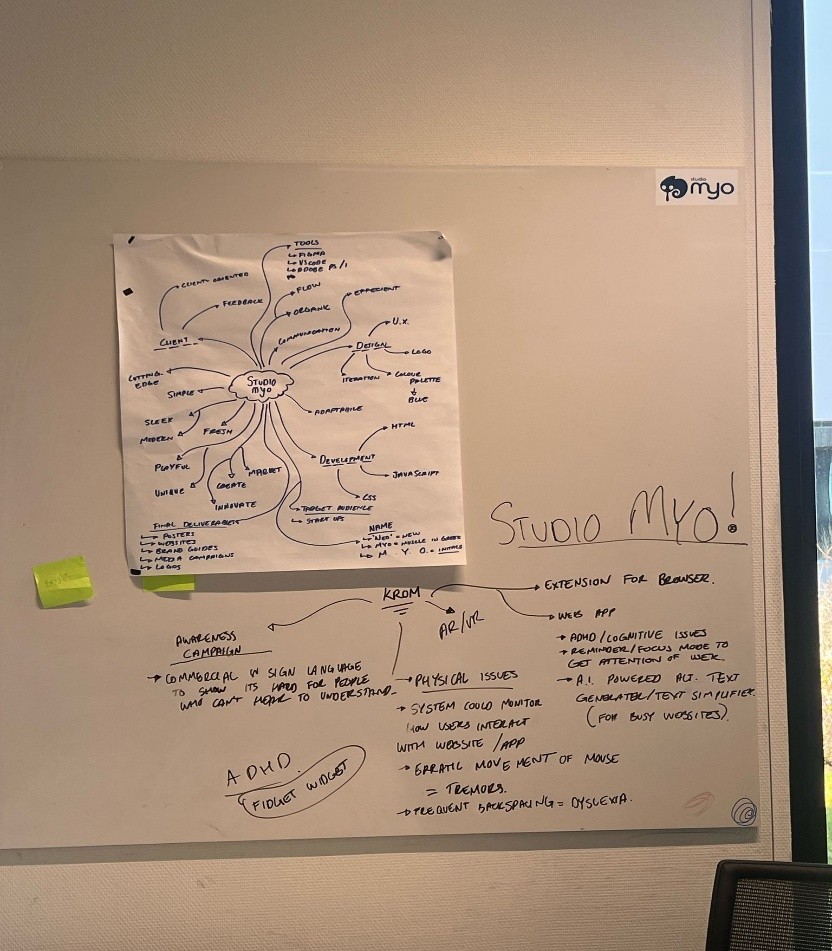
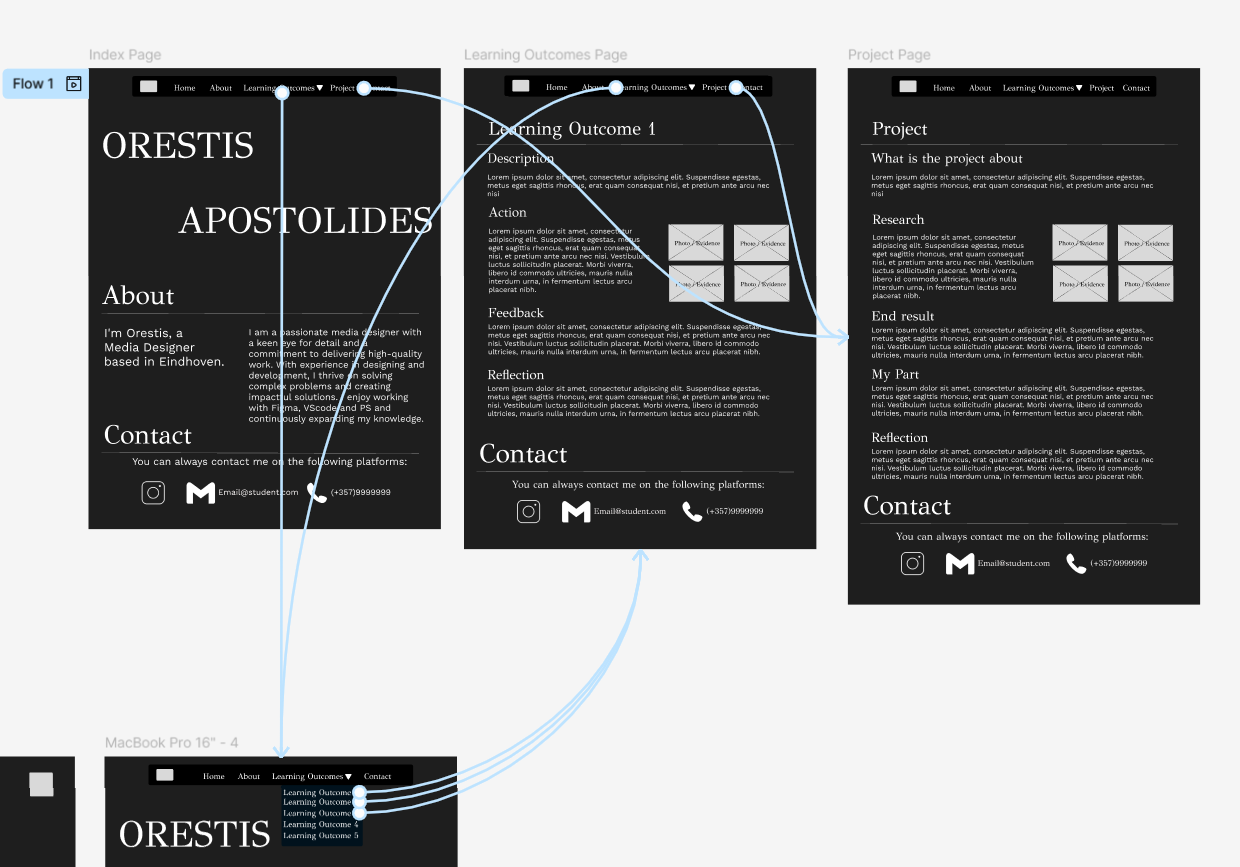
For my portfolio project, I created a wireframe to map out structure and layout, then made it interactive to test navigation and usability before moving into the coding phase. I conducted extensive research for our Studio Krom group project, creating a detailed document about ADHD that included key findings, research questions, and competitive analysis of existing solutions. I interviewed someone with ADHD to understand real user needs, learning about specific challenges like flashing ads and cluttered screens that make focusing impossible. For the group project prototype, I designed a website condenser with ADHD-friendly features, incorporating emojis to support Nielsen's "Recognition Rather Than Recall" heuristic and implementing dynamic background changes based on user research. I conducted multiple rounds of user testing with students who have ADHD to refine the design and make it as interactive and user-friendly as possible. After presenting to our client Krom, I collaborated with JP on building the AI condenser feature, continuing user testing throughout development to ensure the prototype met user needs and client expectations. Open PDF in New Tab Open Figma Link
Learning Outcome 1
Description
You create engaging concepts and translate them into interactive validated media products by applying user-centered design principles, visual design techniques and by exploring emerging trends and developments in media, design and technologies.
Action


Feedback
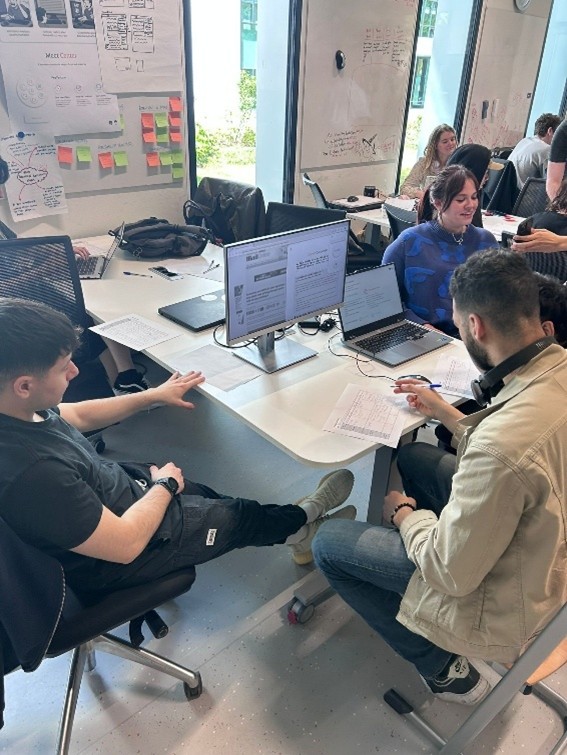

Mr. Amer provided feedback on my interactive portfolio prototype that helped me refine the navbar and improve overall flow. During my ADHD interview, I learned that information should appear step-by-step rather than all at once, and that small design choices like flashing elements can completely ruin the experience for people with ADHD. User testing with students who have ADHD gave positive feedback on the emoji implementation and dynamic backgrounds, validating their effectiveness for our target audience. The client Krom provided positive feedback on our design concept and advised us to focus on just two features: the AI text simplifier and Pomodoro timer. The showcase offered valuable insights about both the design effectiveness and my presentation skills.
Reflection
This process really showed me how important it is to keep iterating and put users first - by testing my interactive portfolio prototype early on, I was able to spot navigation problems and fix them before coding, which saved me significant time and made users more engaged during testing. The ADHD interview was probably the most useful thing I did because it was eye-opening to hear how small design choices that don't bother most people can completely ruin the experience for someone with ADHD, which pushed me to think about creating more inclusive and thoughtful solutions. This whole experience taught me that diving deep into research about your target audience and conducting real user interviews completely changes how you approach design - it's not about guessing what people need, but actually understanding their specific challenges and designing solutions that work for them. The iterative process of wireframing, prototyping, testing, and refining showed me that user-centered design isn't just a buzzword, but a practical approach that leads to better, more accessible products that genuinely help people.