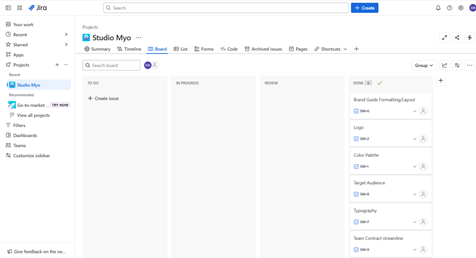
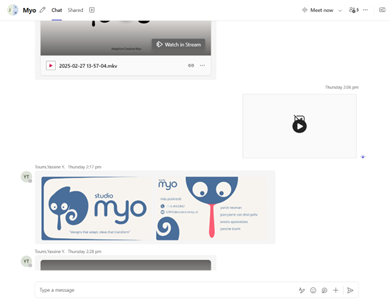
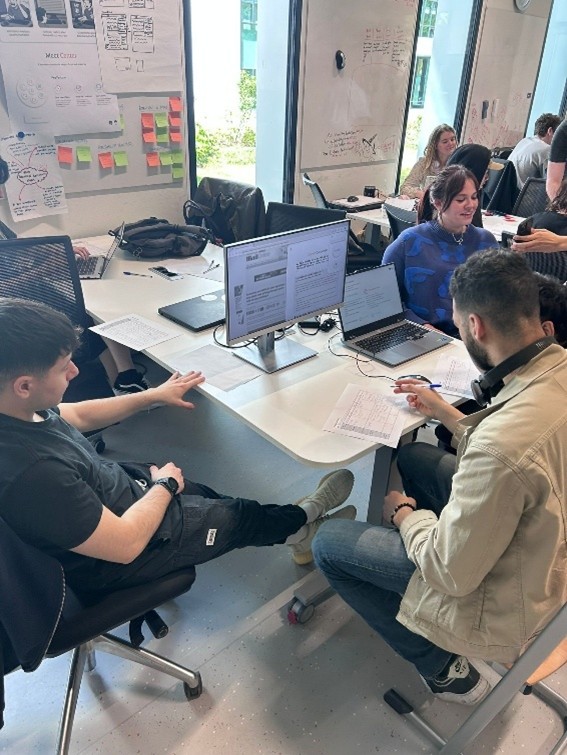
I established a structured workflow using specific platforms - Jira and Trello for project planning and task tracking, Microsoft Teams for collaboration and file sharing, and Google Docs/Word for documentation to ensure transparency with stakeholders. For my portfolio research, I explored industry-standard websites like Awwwards, Steve Wolf, and May Collective for layout inspiration, and studied typography choices from portfolios like Cyd Stumpel and Andrey Mitko. I focused on ethical design considerations by implementing high-contrast colors, readable typography, and intuitive navigation to ensure accessibility for users with visual impairments or attention-related challenges. For our Studio Krom group project targeting people with ADHD, I conducted extensive research creating a detailed document covering ADHD definition, causes, diagnosis, symptoms, and daily challenges. I then interviewed Nick, who has ADHD, about his computer usage for work and studying to understand real user needs rather than making assumptions. During showcase day, I presented our project with interactive prototype demonstrations and actively participated in giving feedback to other teams using the feedback paper system.
Open PDF in New TabLearning Outcome 4
Description
Both individually and in teams, you apply a relevant methodological approach used in the professional field to formulate project goals, involve stakeholders, conduct applied research, provide advice, make decisions, and deliver reports. In doing so, you keep in view the relevant ethical, intercultural, and sustainable aspects.
Action

Feedback
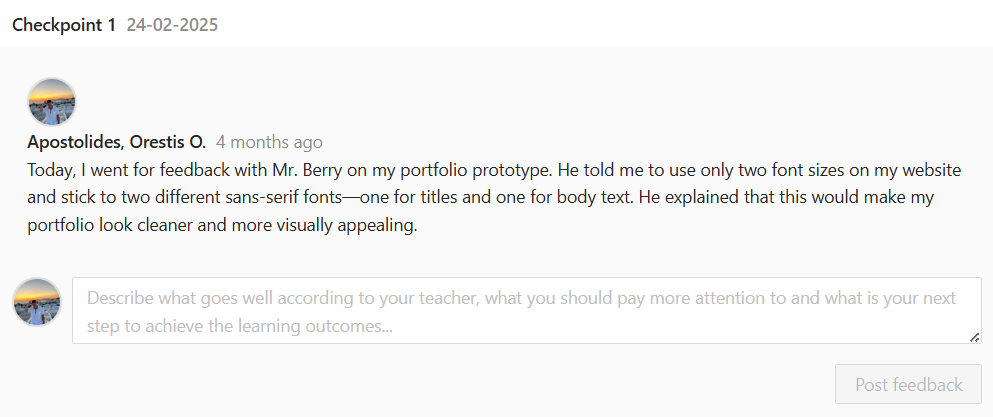

Mr. Barry recommended using two different fonts for my portfolio after reviewing my prototype, which led me to choose GFS Didot for titles and Work Sans for body text. During my interview with Nick, I gained insights into real struggles people with ADHD face daily, like getting distracted by websites and needing information presented in specific ways. At the showcase, I received valuable feedback from both teachers and students, including particularly useful suggestions from people with ADHD about our prototype. I also received positive comments about my presentation skills, which boosted my confidence.
Reflection
This process taught me the importance of proper planning and organization - using structured platforms like Jira and Trello made tracking progress much easier and kept stakeholders informed throughout the project. The research phase showed me how valuable it is to study industry standards while adding your own creative touches to create something unique. Most importantly, interviewing Nick completely changed my approach to the project because it made me realize how crucial it is to understand real user needs rather than making assumptions about what people want. The experience emphasized the importance of inclusive design and considering neurodivergent users in my work. Showcase day reinforced that presentation skills and interactive demonstrations make projects more engaging, and the feedback system helped me think more critically about design solutions. Overall, this experience highlighted that good design comes from thorough research, real user input, and considering diverse accessibility needs from the start.